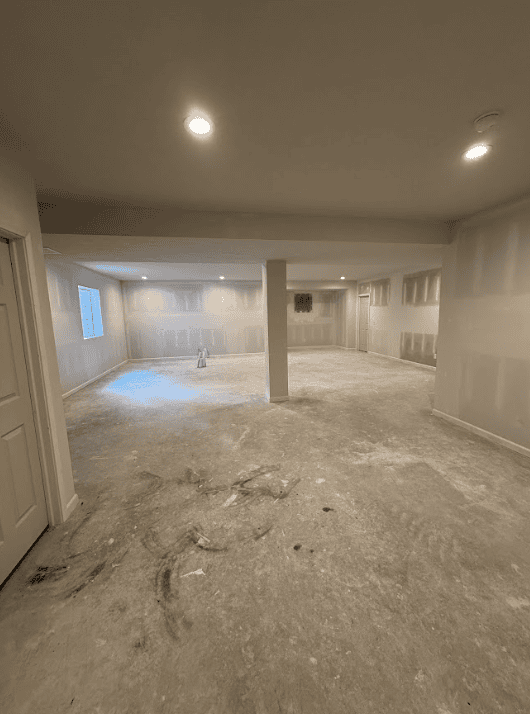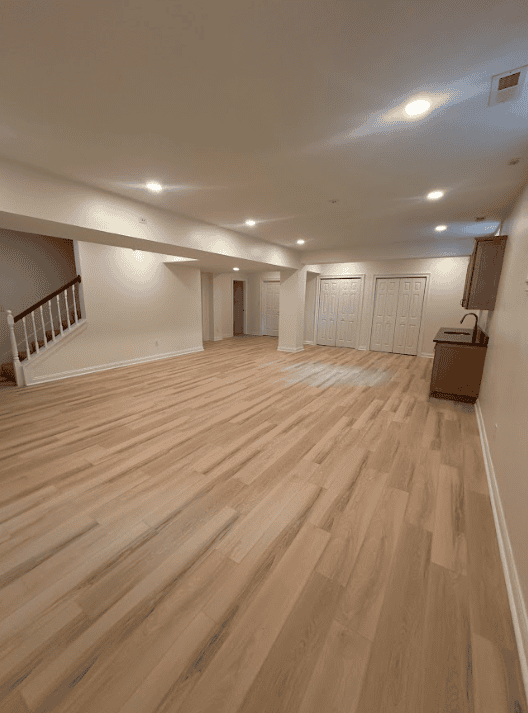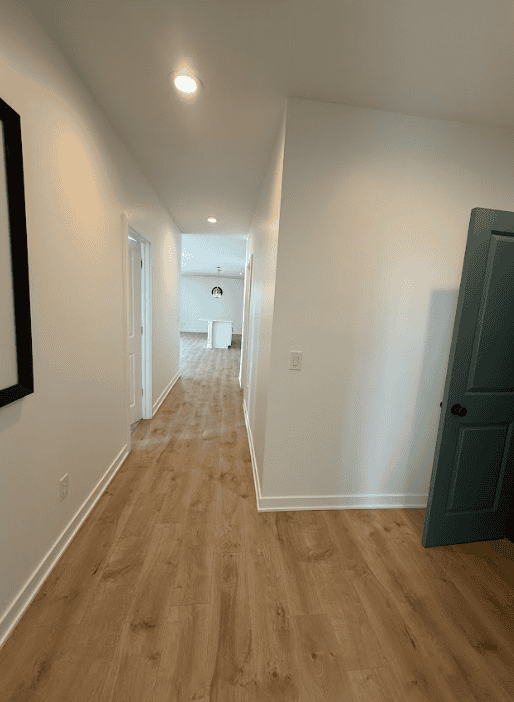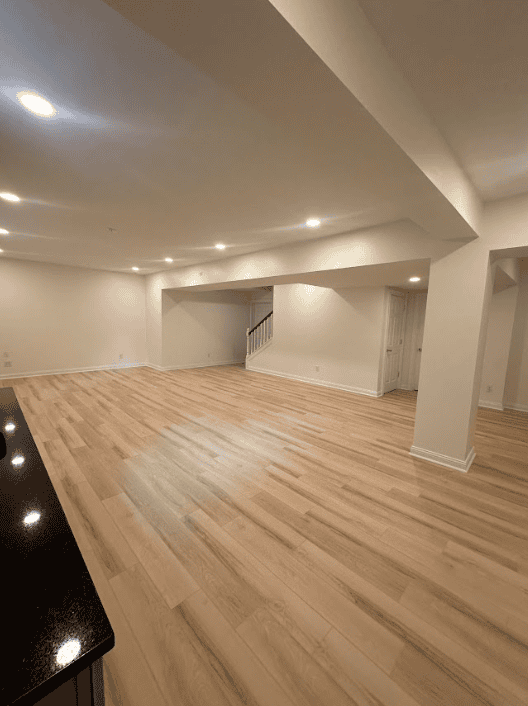
The remodels that go well are almost always the ones that were properly planned. The ones that go badly usually started with a decision about finishes before anyone had established what the house actually needed to do.
Start with how you live
Write down what does not work now. Not "the kitchen is dated" but "everyone ends up in the same three feet of floor" or "there is nowhere to put coats." Specific problems produce good design. Vague dissatisfaction produces expensive rooms that still annoy you.
Set a real budget, with contingency
Decide what you are comfortable spending, then hold back roughly ten to fifteen percent of it. In older homes something unexpected turns up behind a wall often enough that you should plan for it rather than be ambushed by it.
Separate the structural from the cosmetic
Anything that involves moving walls, plumbing or electrical is expensive and difficult to change later. Anything cosmetic is comparatively easy. Spend your planning time on the first category, because that is what you are locked into.
Get the sequence right
Trades have to run in order, and the schedule is what stops a project stalling. Structural work, then rough-ins, then inspections, then close-up, then finishes. A remodel that jumps ahead usually ends up undoing something.
Agree how changes get handled
Decide up front that any change to scope gets priced in writing before it happens. This single agreement prevents most of the disputes that sour renovation projects.
Expect it to be disruptive
Living through a remodel is harder than people anticipate. Work out in advance where you will cook, where you will wash, and whether it is worth moving out for the heaviest phase.